

Decolonizing Food Perspectives
A Conversation with Dr. Maria Vivanco on Food, Culture, and Resistance
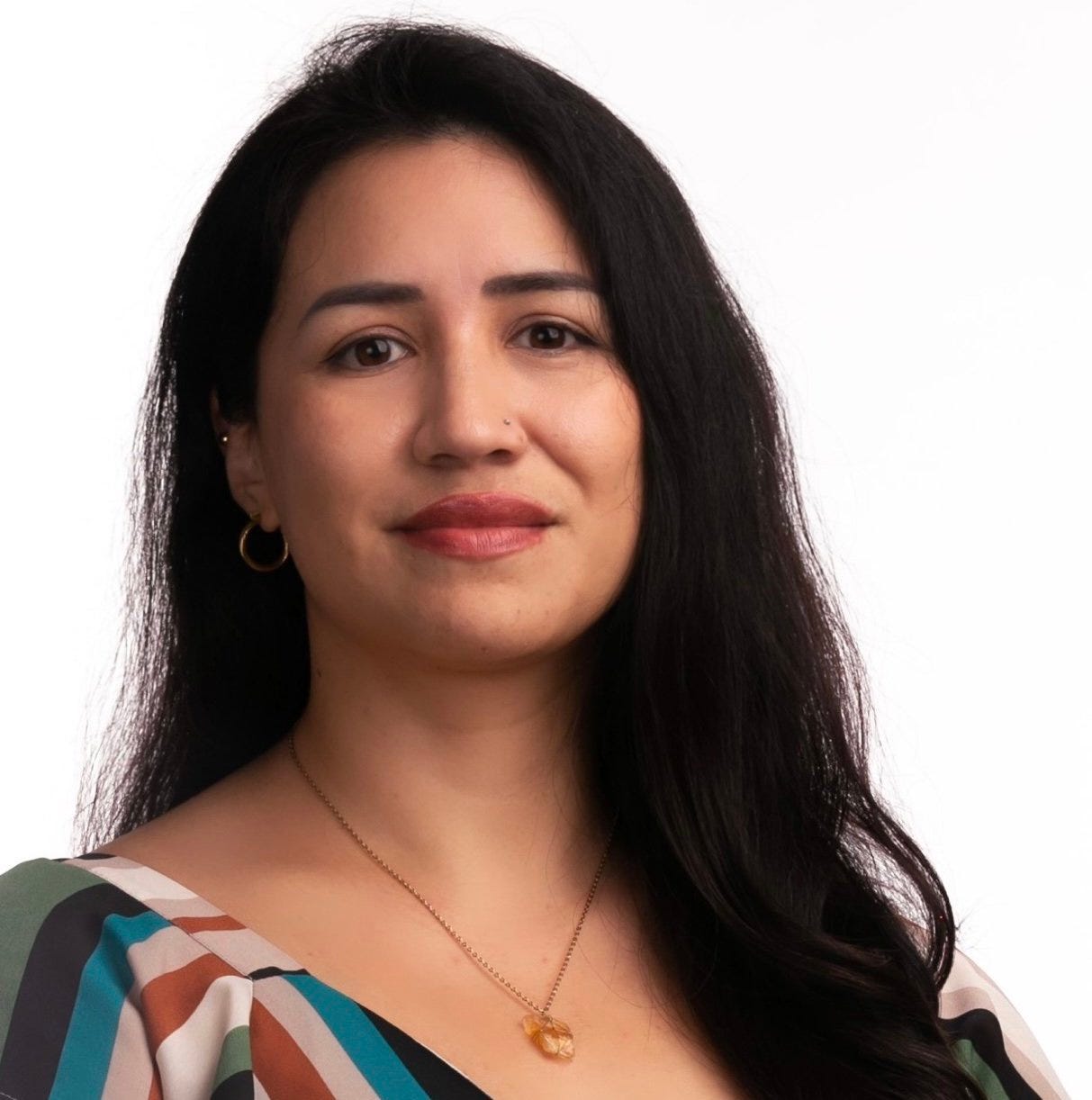
We recently had a thought-provoking and expansive conversation with Dr. Maria Vivanco (“Mara”), a scholar and consultant who shared insights on various aspects of her work as a rural sociologist and feminist. The dialogue spanned main themes exploring the complexities of identity, the importance of preserving native knowledge, and the need for a more inclusive understanding of Peruvian culture.
The Power of Language and Identity
Dr. Vivanco emphasized the profound influence of language on shaping perceptions and narratives, recounting her experience of using different languages in her research. One poignant moment captured in the conversation reflected her discussion on the nuances of language and its impact on the understanding of empowerment, particularly concerning women.
"I get to decide what to do, what I'm going to eat, where I'm going to invest next," Dr. Vivanco shared, illustrating the stark differences in responses between Spanish and Mayan. This statement encapsulated the essence of empowerment for women, but what made it intriguing was the divergence in interpretations based on the language used.
In Spanish, the focus was on individual agency, personal choices, and autonomy. However, when the same question was posed in Mayan, the responses took on a communal and collective tone.
Women spoke not only about personal development but also about motivating others to be confident and denounce violence within the community.
This discrepancy led Dr. Vivanco to reflect on the multifaceted nature of empowerment, realizing that cultural and linguistic nuances significantly shape how individuals perceive and articulate their agency. The episode underscored the importance of considering diverse perspectives, languages, and cultural contexts in research, as they enrich the understanding of complex concepts like empowerment.
Food, Identity, and Decolonization
The discussion also covered how colonial influences have shaped culinary perspectives in Peru and around the world.
Dr. Vivanco spoke about the impact of foods like quinoa and maca becoming trendy in the US and other imperial nations.
The elevated international interest has led to the a decrease in native crop diversity and inflation of prices, making it difficult for locals in Peru to continue consuming healthy staples in their diet, which they then replace with less nutritious alternatives.
She also touched upon patent concerns that can inhibit the continuation of local growing.
Personal Journey and Commitment to Decolonization
Through poetry reading and engaging stories, Dr. Vivanco shared her personal journey, detailing her doctoral challenges and her decision to return to Peru after studying in the United States.
She outlined the economic impediments that influenced her choices and the realization that actively participating in decolonization efforts required being in the midst of the communities she aimed to serve.
She came to determine it’s important to intersect collaborative experiences with diverse knowledge sources, creating a bridge between academia and local communities.
Resilience, Resistance, and Cultural Fusion
Lastly, she drew from personal stories of her grandmother's resilience in the face of adversity, highlighting the strength passed down through generations.
Reflecting on her grandmother's journey, she poignantly expressed,
"She was always extremely kind... [despite] how hard it was [during] that period, and my mom would say, 'Yeah, that was the best time that we ever had.'"
This quote encapsulates the paradoxical beauty of resilience—finding moments of joy amid adversity.
Conclusion
Dr. Maria Vivanco's conversation was one we sincerely cherished — a true tapestry of insights, weaving together language, food, identity, and decolonization. Her commitment to preserving Peruvian knowledge, fostering resilience, and promoting resistance emerges as a driving force in her work.
We hope you’ll consider learning more and engaging directly with Dr. Vivanco content.
If you found this insightful, inspiring, or thought-prokoking in any way…
We’d love to hear your thoughts below. We’ll respond!
The Proven Sustainable™ Conversation Series is a fiscally sponsored project of the Center for Transformative Action, a 501(c)3 tax-exempt organization.